Why Harley Street Leads in Modern Hair Restoration
Few medical districts are as synonymous with expertise as Harley Street. In hair restoration, this storied London enclave blends surgical finesse with cutting-edge technology, making it a magnet for patients across the UK and beyond. What distinguishes clinics along this strip is not merely prestige; it’s the rigorous standards, multi-disciplinary teams, and a relentless focus on natural results. From initial assessment to long-term maintenance of your hair, a hair transplant on Harley Street is designed around precision, safety, and outcomes that age gracefully.
At the core of a hair transplant harley street workflow is a comprehensive diagnosis. Surgeons evaluate medical history, pattern and pace of hair loss, donor density, hair caliber, and scalp health. The goal is a bespoke plan that balances current coverage with long-term preservation of the donor area. Techniques such as Follicular Unit Extraction (FUE) and Follicular Unit Transplantation (FUT/strip) are chosen based on needs: FUE offers minimal scarring and rapid recovery; FUT can provide high graft counts and is ideal in some advanced cases. Advanced variations—unshaven FUE for discretion, long-hair FUE for immediate visual feedback—are part of the decision-making toolkit.
Exceptional outcomes hinge on graft survival and natural design. Clinics elevate these factors through meticulous graft handling (hydration, temperature control, minimal out-of-body time), precise incision angles that mimic native hair direction, and aesthetic artistry. This often includes soft, irregular hairlines, temple restoration, and crown whorl recreation that respects natural swirl patterns. For diverse hair types—Afro-textured, Asian, Middle Eastern—surgeons adapt punch sizes, angles, and density planning to maintain integrity and avoid transection. Many Harley Street providers supplement surgery with adjuncts like PRP, low-level laser therapy, and medical therapy to stabilize non-transplanted hair. The result is a hair transplant uk experience where science and design coalesce, and long-term strategy takes priority over short-term density.
Choosing the Best Hair Transplant in London: Techniques, Costs, and Outcomes
Finding the best hair transplant london option starts with understanding techniques and their trade-offs. FUE, the most popular approach, extracts follicular units individually, allowing a near-scarless look with carefully distributed micro-dots in the donor area. FUT involves removing a strip from the donor zone and dissecting grafts under a microscope, often delivering high yield for patients requiring large sessions. Hybrid strategies combine both to maximize graft numbers while protecting donor reserves. Some cases also benefit from beard or body hair as supplemental donor sources when scalp reserves are limited, though texture matching must be evaluated carefully.
Transparent pricing correlates with surgical time, team size, and graft numbers, but value should be judged by long-term aesthetics. Reputable London clinics prioritize ethical planning—avoiding overharvesting, maintaining proper density in the donor, and staging procedures for progressive hair loss. Pre-operative preparation might include stabilizing hair with finasteride, dutasteride, topical or oral minoxidil, and anti-inflammatory scalp care. During surgery, tumescent anesthesia, microsurgical punches, and advanced implanters reduce trauma and enhance graft survival. Post-operatively, swelling control, gentle cleansing, and shock-loss mitigation protocols accelerate recovery. Many patients return to social activities within a week, with growth beginning around month 3 and maturing up to 12–18 months.
Clinics that deliver consistent results communicate clearly about realistic outcomes. Experienced surgeons discuss hairline age-proofing, crown coverage strategies, and how many grafts are truly required. Combining surgery with medical therapy is often the hallmark of the best hair transplant london approach, ensuring non-transplanted hair is preserved while transplanted grafts flourish. For those comparing providers, hair transplant london options make it possible to evaluate before-and-after portfolios, surgeon credentials, and standardized photography. Look for regulated practices, documented patient journeys, and evidence of mastery across different hair types. The right clinic treats the procedure as both medical science and visual design, resulting in density that looks natural under all lighting conditions.
Real-World Transformations: Case Studies, Timelines, and Lessons Learned
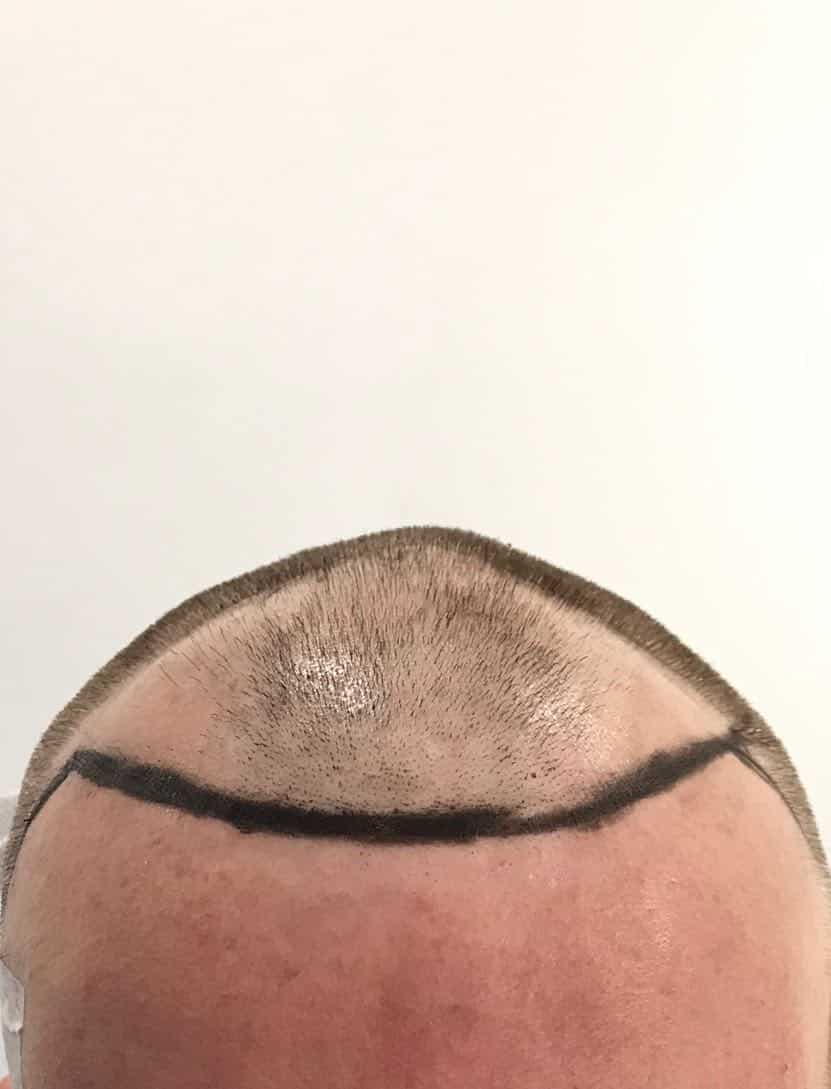
Case studies reveal how nuanced planning shapes outcomes. Consider a 34-year-old male with Norwood Class III recession. With robust donor density and minimal crown loss, the plan focuses on a conservative, mature hairline with slight temporal restoration. Around 1,800–2,200 FUE grafts are placed at graded densities—higher in the frontal core, feathered in the leading edge for a soft transition. At month 3, initial sprouts appear; by month 6, noticeable framing returns to the face. Around 12 months, density consolidates, and texture blends seamlessly. A medical regimen maintains the native mid-scalp so coverage appears uniform as time passes.
For a Norwood V-VI patient, strategy changes. A single mega-session of 3,000–4,000 grafts may recreate a strong frontal third and mid-scalp, while the crown is deferred or addressed with a second stage. This ensures the illusion of fullness where it counts most—the frame of the face—while respecting donor limits to keep options open for future needs. In select cases, combining a FUT session for bulk yield with a subsequent FUE pass can achieve comprehensive coverage. When performed by a seasoned team with low transection rates and efficient graft placement, long-term density can be striking without exhausting the donor area.
Female patients and specialized indications highlight the importance of tailored technique. For female pattern loss or hairline refinement, surgeons minimize shaving, target lower hairline irregularities, and preserve miniaturizing hair with medical therapy. In traction alopecia cases, the plan emphasizes stability of the cause and careful density in zones where scarring can alter blood supply. Eyebrow or beard transplants demand artistic directionality and meticulous single-hair placement. Across scenarios, responsible aftercare—gentle washing, avoiding sun exposure and strenuous exercise initially, and respecting graft maturation timelines—helps protect outcomes. Patients are advised that shedding around weeks 2–4 (shock loss) is common and temporary as follicles cycle before regrowth.
Choosing a hair transplant in London often involves weighing convenience against the risks of medical tourism. While travel can appear cost-effective, continuity of care, revision support, and quality control make a strong case for established clinics regulated in the hair transplant uk ecosystem. Trusted teams provide ongoing assessments, adjust medical therapy, and refine future strategy as hair loss patterns evolve. The most telling lesson from real-world journeys is that success is rarely a single event; it’s the product of ethical planning, surgical craftsmanship, and sustained care—elements that Harley Street and leading London providers have honed into a repeatable standard of excellence.