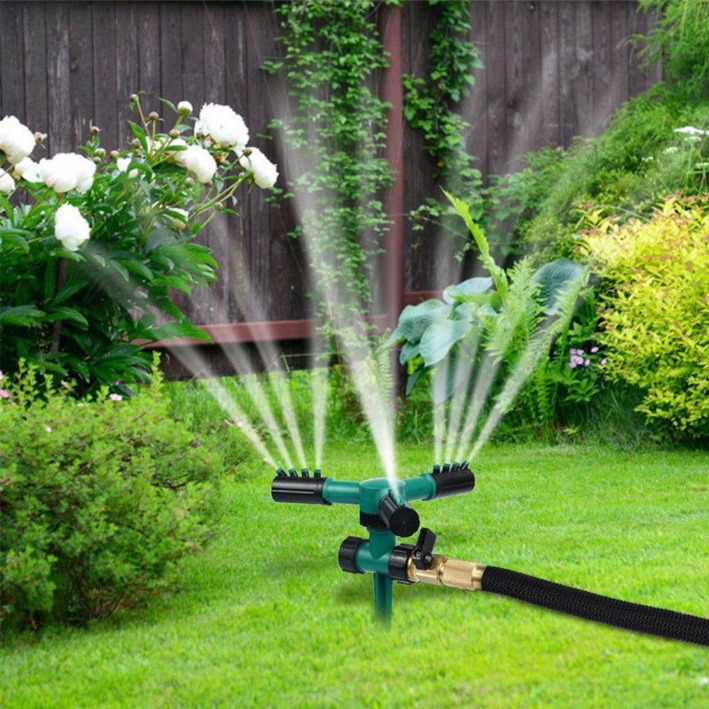
What Sets RainPoint Apart: Technology, Design, and Everyday Benefits
RainPoint redefines garden care by combining precise hardware and adaptive software into a single, user-friendly platform. At its core, the system pairs a robust controller with wireless sensors and cloud-based scheduling to deliver targeted hydration that responds to real-time weather, soil moisture, and plant needs. This eliminates blanket watering routines and reduces waste, making it ideal for homeowners who want efficient, low-maintenance landscaping without sacrificing plant health.
The modular design allows a variety of yard layouts to be accommodated, from small balcony gardens to multi-zone suburban lawns. Integration with smart home ecosystems and voice assistants streamlines operation: users can start, stop, or adjust schedules remotely through mobile apps. A central advantage is the rainpoint wifi water timer functionality embedded in the system’s controller, enabling precise start/stop events and adaptive scheduling based on forecast data. These timers replace outdated mechanical controllers and provide much greater control over water flow and frequency.
Beyond convenience, the system addresses sustainability goals. By employing evapotranspiration models and localized weather inputs, RainPoint reduces overwatering and runoff. For municipalities and communities focused on water conservation, these systems can contribute to measurable reductions in residential water use. Homeowners benefit economically from lower utility bills and environmentally from minimized landscape stress. The device’s analytics dashboard further empowers users to track consumption patterns, receive watering recommendations, and understand the long-term health of their turf and plantings.
Smart Lawn Care 2026 and CES Irrigation Innovation: Trends Driving Adoption
The smart-home and IoT waves that dominated consumer electronics have extended into the landscaping sector, with 2026 marking a pivotal year for intelligent irrigation. Industry showcases and trade events have highlighted technologies centered on connectivity, machine learning, and sustainability. One of the standout themes is interoperability—systems that can communicate with weather networks, soil sensors, and other smart devices unlock new efficiencies and automation possibilities.
Products that debuted at technology showcases emphasized three consumer demands: simplicity, measurable savings, and environmental responsibility. Users expect an out-of-the-box experience where the device auto-configures to yard topography and plant types. In response, manufacturers have prioritized intuitive UIs, robust mobile apps, and seamless cloud updates. These innovations make it easier for homeowners to adopt sophisticated watering strategies without needing technical expertise.
Another major trend is the use of data-driven irrigation algorithms that optimize watering windows to match plant water uptake rather than rigid daily schedules. This leads to healthier root systems and better drought resilience. Early adopters have reported significant reductions in seasonal water use, and municipalities are increasingly offering rebates for homeowners who switch to smart controllers. One clear market leader capitalizes on these trends by packaging all necessary components—sensors, controller, and app—into one streamlined solution. The product’s market positioning as a comprehensive, consumer-ready system has driven rapid adoption among tech-savvy homeowners and eco-conscious gardeners alike.
Real-World Examples and Case Studies: Installation, Performance, and Savings
Homeowners across diverse climates have shared practical outcomes after switching to integrated smart irrigation. In a suburban retrofit, a family replaced a decade-old mechanical unit with a smart controller and installed a few wireless soil sensors. Within a single season, they reported a 30% reduction in water use and visibly healthier flower beds due to more consistent moisture levels. The system’s scheduling logic adjusted automatically after a stretch of rainy days, preventing unnecessary runs and lowering their water bill.
Urban balcony gardeners also benefit: compact setups that monitor container moisture prevent root rot and stress from irregular watering. A community garden project documented how a centralized smart controller reduced volunteer time spent on watering duties while improving overall yield from beds and planters. Landscapers and property managers appreciate the ability to manage multiple zones and properties from a single dashboard, reducing travel and labor costs while ensuring plantings receive the right amount of water at the right time.
For readers considering a single-package solution, one notable offering positions itself as RainPoint The All-in-One Smart Irrigation System, delivering a cohesive experience that bundles controllers, sensors, and connectivity. Early adopters cite straightforward installation, clear analytics, and an immediate drop in water usage. These real-world examples demonstrate how modern irrigation systems translate technological promise into tangible benefits: water savings, healthier landscapes, and reduced maintenance. As more homeowners prioritize sustainability and automation, case studies like these illustrate the practical advantages of migrating away from manual timers to intelligent, connected solutions.