Understanding the Mechanics and Clinical Benefits of a Sit to Stand Lift
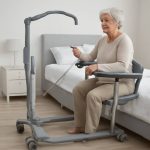
A sit to stand lift is a specialized medical device designed to assist individuals who possess partial weight-bearing ability but lack the strength or balance to stand independently. Unlike a full-body sling lift, which is intended for completely dependent transfers, a sit to stand lift requires the patient to actively participate in the motion. The machine provides a secure harness that supports the back and knees, gently guiding the user from a seated position into a stable standing posture. This process is not merely a convenience; it is a critical tool for preserving dignity and muscle function. The biomechanical advantage offered by these lifts is substantial. By reducing the sheer force placed on a caregiver’s spine, the equipment directly addresses the leading cause of occupational injury in healthcare settings: manual patient handling. The pivot action mimics a natural standing trajectory, which helps maintain hip and knee joint mobility over time. For the patient, the ability to bear weight through their legs, even with assistance, slows muscle atrophy and improves circulation, reducing the risk of pressure injuries and deep vein thrombosis. Clinical evidence consistently shows that patients who engage in standing transfers have better long-term outcomes in rehabilitation programs. The device typically includes a knee pad for stability and a chest pad with a safety belt, ensuring the patient remains centered throughout the motion. Many modern units feature battery-powered hydraulic or electric actuators that provide a smooth, controlled lift, minimizing any jerking or discomfort. The floor base of a sit to stand lift is designed with a wide stance to prevent tipping, and the legs often adjust to fit around standard chairs or wheelchairs. When considering a purchase, understanding the weight capacity is paramount; most units accommodate between 300 and 450 pounds, but heavy-duty models exist for bariatric needs. The versatility of these devices is a significant selling point, as they can be used in hospital rooms, assisted living facilities, and private homes with equal efficacy. Caregivers consistently report a dramatic decrease in back pain and fatigue when transitioning from manual lifting to using this specialized equipment. The psychological benefit for the patient should not be underestimated either, as the standing position allows for eye-level social interaction, which is vital for mental health in long-term care environments. The mechanism of the lift also reduces the risk of falls during the transfer, as the patient is securely contained within the harness system at all times. The investment in a quality unit directly translates to a reduction in workplace injury claims and improved patient satisfaction scores, making it a financially sound decision for any institution.
Critical Factors to Evaluate Before Purchasing a Sit to Stand Lift for Sale
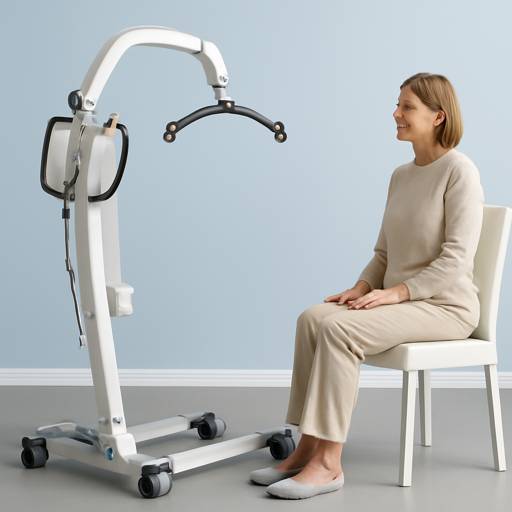
Navigating the market when you search for a sit to stand lift for sale requires a thorough evaluation of several critical engineering and safety components. First, the lifting mechanism should be scrutinized. Electric actuators offer consistent speed and require minimal physical effort from the caregiver, while hydraulic systems are generally more durable but may demand occasional maintenance. Battery life is another crucial consideration; look for units with long-lasting, quick-charge batteries to prevent downtime during daily routines. The weight capacity of the lift must match or exceed the heaviest patient in your care environment. Sling compatibility is also a frequent oversight. Some lifts use a universal sling system, while others require proprietary designs. Ensure that the sling material is breathable and easy to clean, as hygiene is a primary concern in patient care. The floor clearance and base opening width are essential for usability. A lift that cannot slide under a standard commode or wheelchair becomes a hindrance rather than a help. The knee pad should be padded with high-density foam and should be adjustable to accommodate different patient heights. Hand grip placement can vary significantly between models; ergonomic handlebars that allow the patient to assist with the pull-up phase can make a substantial difference in transfer success. Safety features must include emergency stop buttons, backup manual release valves in case of power failure, and sturdy locking casters. The construction material matters—steel frames are more robust and stable, while aluminum frames are lighter and easier to maneuver between rooms. Warranty terms should be examined closely. A comprehensive warranty covering the motor and frame for at least two years indicates confidence in the product’s longevity. Customer support and parts availability are often overlooked but become critical when a unit needs repair. Clinical versatility is another layer to consider. Some models offer additional features like integrated scales for weight monitoring or optional gait training attachments, which can provide value in a rehabilitation setting. The training requirements for staff are also a practical factor; a lift with an intuitive control pendant and simple adjustment mechanisms reduces the learning curve and increases adoption rates among caregivers. Finally, regulatory compliance cannot be ignored. The device should meet all relevant safety standards, such as those set by the FDA or equivalent international bodies. When exploring the market, it is wise to compare multiple models side-by-side, focusing on the specific needs of your patient population. For those ready to explore the market, a focused search for a sit to stand lift for sale provides access to a curated selection of clinically tested equipment that meets rigorous safety benchmarks. By prioritizing these technical specifications, purchasers can avoid costly mistakes and ensure that the lift serves its purpose effectively for years to come.
Real-World Applications: Sit to Stand Lifts in Home Care and Skilled Nursing Facilities
The practical implementation of sit to stand lifts varies significantly between the home care environment and skilled nursing facilities, yet the core benefits remain consistent. In a private home, the challenges often revolve around space constraints and the need for equipment to blend unobtrusively into daily life. A case study involving a 78-year-old patient recovering from a hip replacement provides a clear example. The patient had sufficient upper body strength but lacked the balance to stand from a low sofa. The installation of a lightweight, mobile sit to stand lift allowed a single caregiver to perform transfers three times daily without risking re-injury to the surgical site. Over eight weeks, the patient regained independent standing ability, and the equipment was later returned. This scenario highlights the temporary but critical role these lifts play in rehabilitation. In contrast, a skilled nursing facility with forty beds might own four to six units that are used hourly. Here, durability and ease of cleaning become paramount. Facilities often develop protocols where the lift is assigned to a specific wing, and slings are color-coded to individual patients to prevent cross-contamination. A real-world example from a mid-sized facility showed a 60% reduction in staff sick days related to back injuries after adopting sit to stand lifts for all partial-weight-bearing residents. Nurses reported that the time saved per transfer—roughly four minutes compared to a manual two-person lift—allowed them to focus more on direct patient care and medication management. Another critical application occurs in bariatric care. Standard sit to stand lifts often have weight limits near 350 pounds, but specialized bariatric models can handle up to 700 pounds. In a documented case, a patient weighing 480 pounds who was recovering from a stroke was able to begin ambulation training using a reinforced sit to stand lift, a feat impossible with manual assistance alone. The lift’s ability to provide a graduated level of support allowed the patient to rebuild quadriceps strength in a safe, controlled manner. The technology also finds a different application in hospice care, where comfort and dignity are the primary goals. A sit to stand lift can gently transition a patient from a bed to a recliner chair, allowing family members to sit at eye level for final conversations. This use case underscores the emotional dimension of the equipment beyond its mechanical function. Furthermore, in memory care units, the familiar motion of standing can trigger procedural memory in patients with dementia, sometimes reducing agitation during transfers. Facilities have also integrated these lifts into fall prevention programs. When a resident is found on the floor, a sit to stand lift can be rapidly deployed to safely lift them without causing spinal compression, a common issue with manual floor lifts. The cumulative evidence from these diverse settings confirms that the value of a sit to stand lift extends far beyond the simple act of moving a person from point A to point B; it fundamentally enhances the quality of care across the entire care continuum.